The Book of Peptides is not a clinic and not your doctor. We do not sell, prescribe, recommend, or personalize any compound, and no grade or ranking here is an endorsement. None of the compounds covered are approved for the uses described here by the U.S. FDA, Australia's Therapeutic Goods Administration (TGA), New Zealand's Medsafe, or the equivalent regulator in most other countries.
Most are sold for laboratory research only, a few are prescription-only drugs, and some are controlled substances or banned in sport. Possessing or administering an unapproved compound outside an authorized setting may be unlawful wherever you live. Nothing here is a recommendation to buy, possess, or self-administer anything. Consult a licensed physician before any decision involving peptide use.
Cross-checked against 50–100 independent sources per claim — the house standard. How this reference is checked
Reference values as published in the research record — not a recommendation, instruction, or dose suggestion for any person. Not medical advice.
Reference values as published in the research record — not a recommendation, instruction, or dose suggestion for any person. Not medical advice.
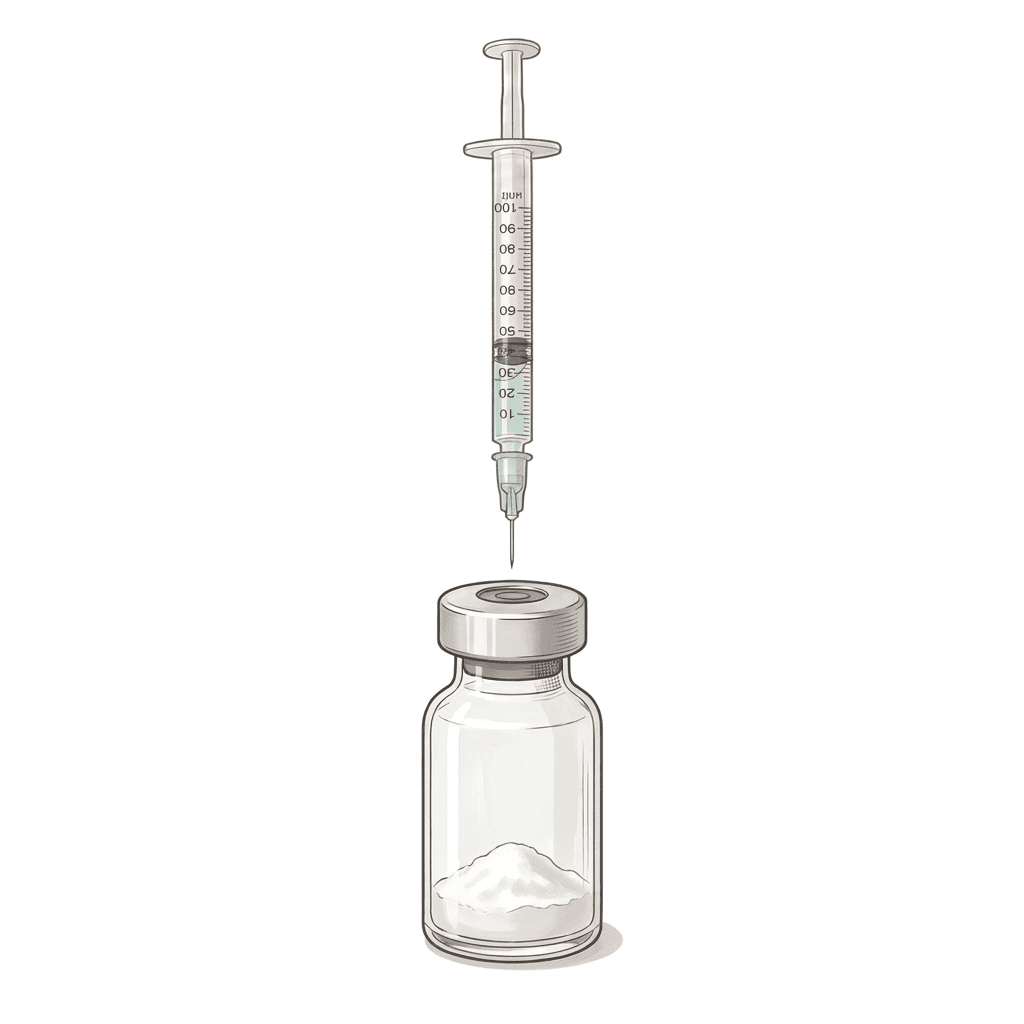
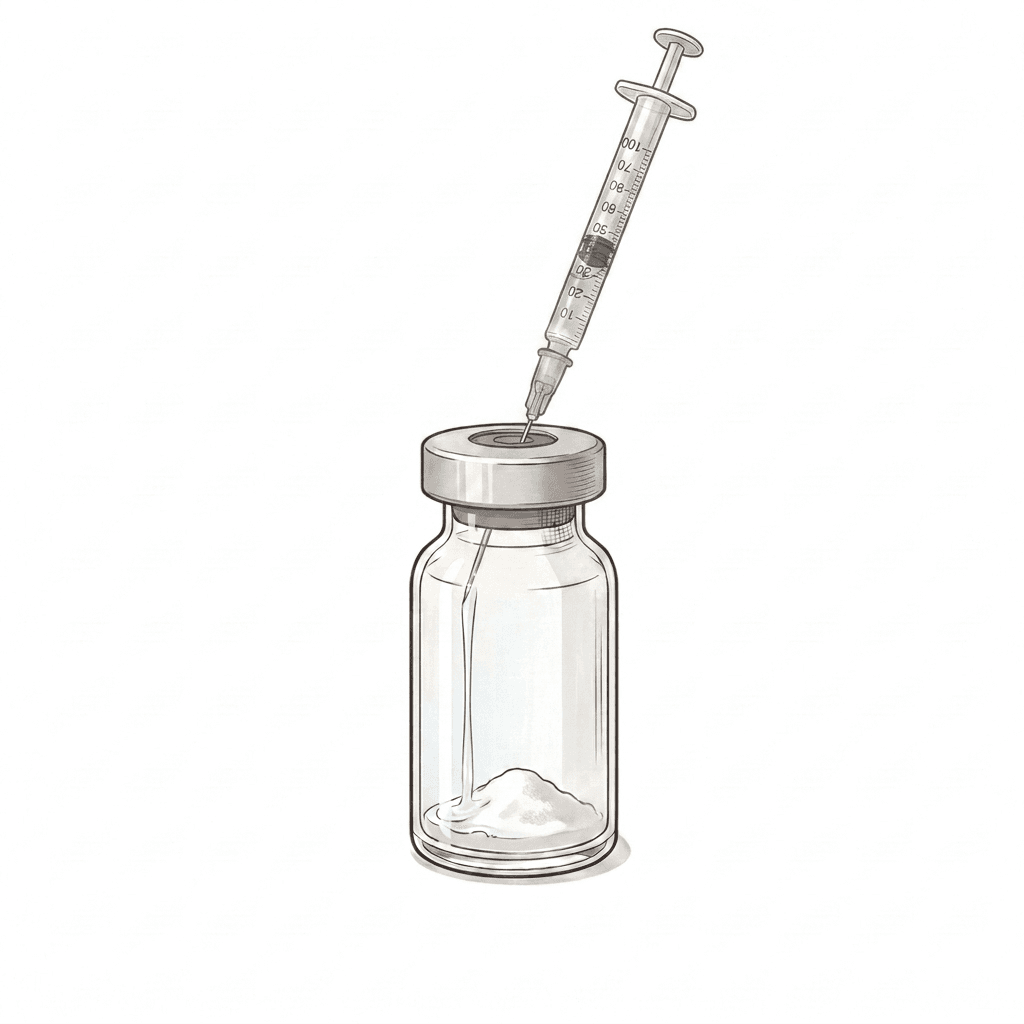
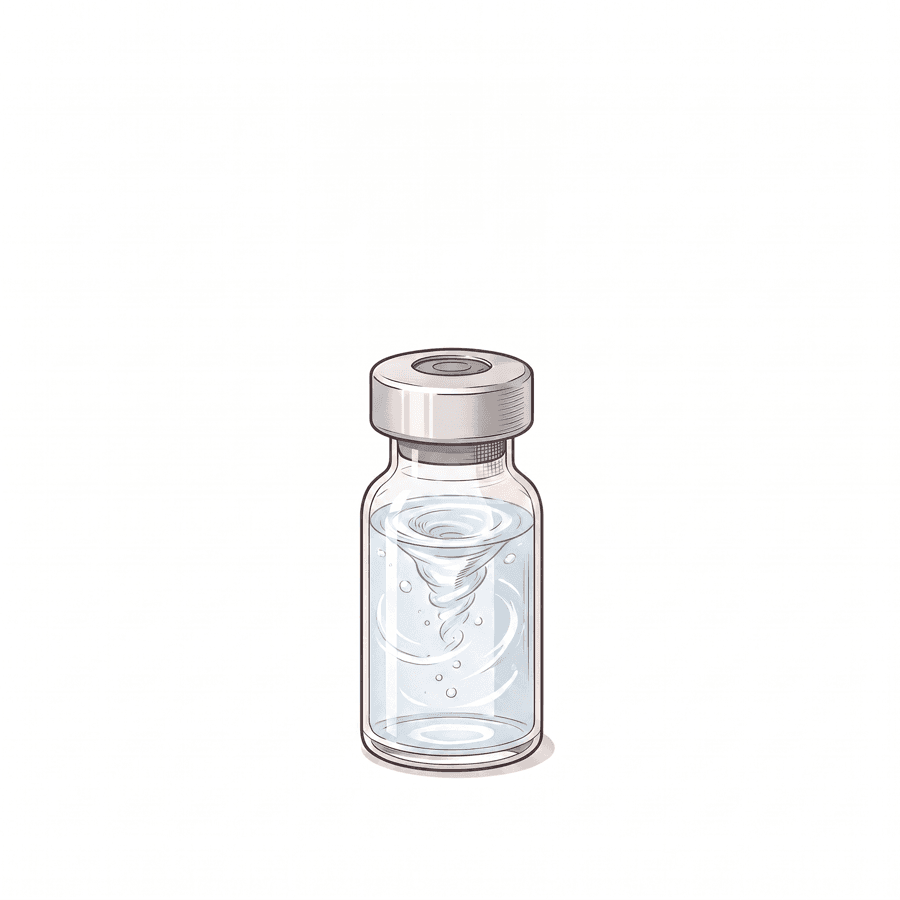
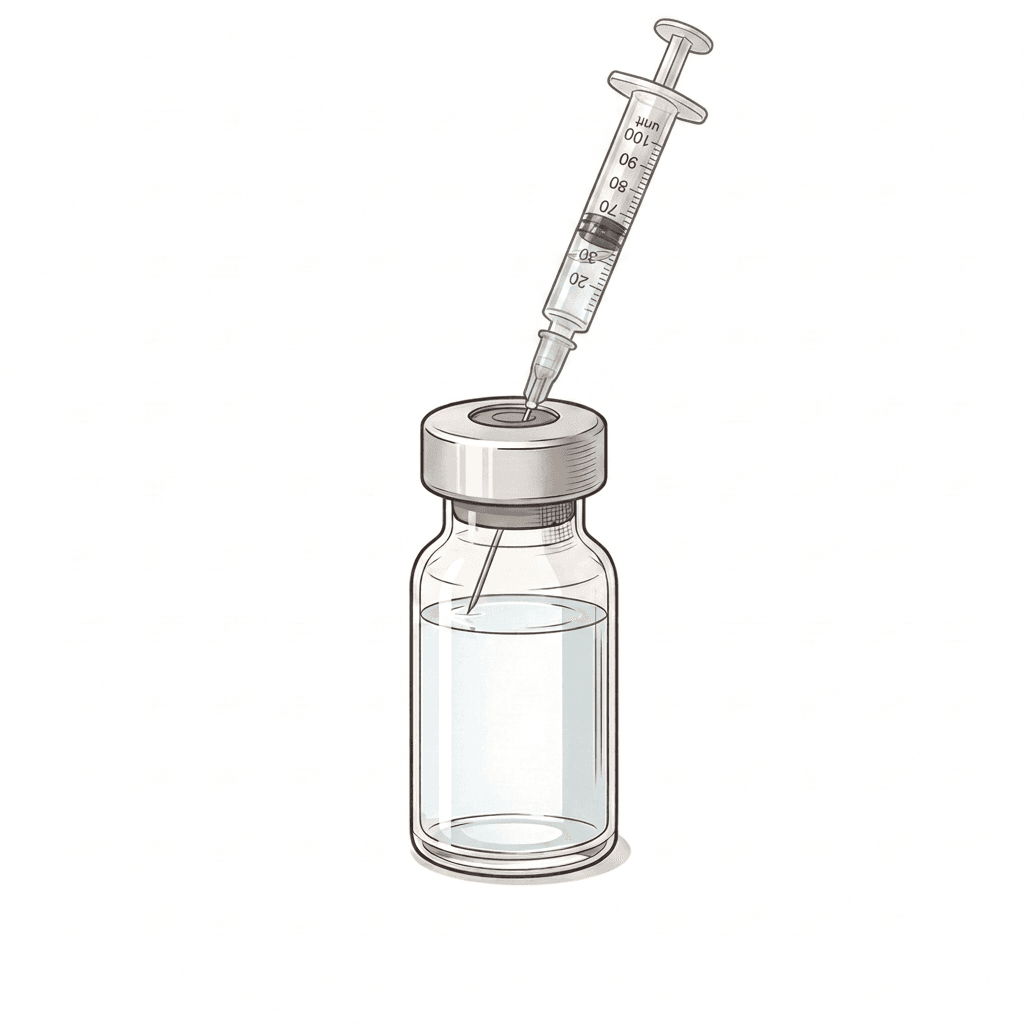
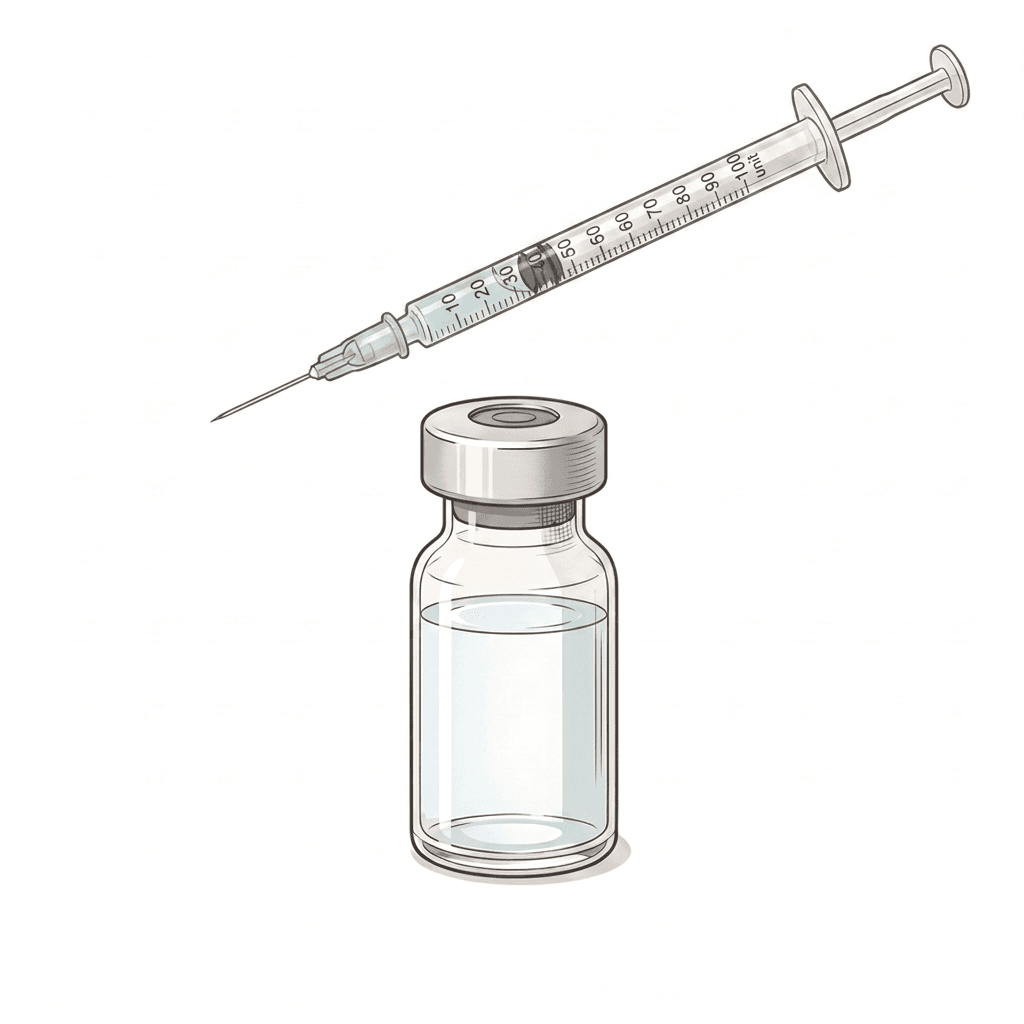
Step 1 of 5 · Draw diluent
Draw your bacteriostatic water into the syringe.
A persistent stacking question of the GLP-1 era: whether adding a growth-hormone secretagogue to tirzepatide or retatrutide blunts the lean-mass loss that comes with the weight loss. Trial data establishes the magnitude of that loss, not a drug-specific excess; the rest is untested community theory.
A selective ghrelin-receptor agonist, notable for stimulating GH release with comparatively little effect on cortisol, prolactin, or appetite versus older secretagogues. Among the peptides expected back on the legal Category 1 compounding list.
The member edition is the full write-up: every claim cross-checked against independent sources and challenged before print. What didn't survive the check isn't in here.
The full published spec sheet — dose units, timing, frequency, and cycle length — is included with membership.
2 documented protocols for this compound — stated side by side, each labelled for what it is.
Every independently documented protocol for this compound — stated side by side and labelled for its basis, shown as reference. Included with membership.
Reference values as published in the research record — not a recommendation, instruction, or dose suggestion for any person. Not medical advice.
The live calculator — enter any vial size, diluent volume, and syringe size to see the draw computed — is included with membership.
