LY3437943
The Book of Peptides is not a clinic and not your doctor. We do not sell, prescribe, recommend, or personalize any compound, and no grade or ranking here is an endorsement. None of the compounds covered are approved for the uses described here by the U.S. FDA, Australia's Therapeutic Goods Administration (TGA), New Zealand's Medsafe, or the equivalent regulator in most other countries.
Most are sold for laboratory research only, a few are prescription-only drugs, and some are controlled substances or banned in sport. Possessing or administering an unapproved compound outside an authorized setting may be unlawful wherever you live. Nothing here is a recommendation to buy, possess, or self-administer anything. Consult a licensed physician before any decision involving peptide use.
Cross-checked against 50–100 independent sources per claim — the house standard. How this reference is checked
What people actually do differs from the label. A documented community practice splits the weekly total into two smaller injections, commonly Monday and Thursday (a 3-day/4-day split), typically injecting half the current step's dose on each day rather than changing the total weekly amount. Community members report this for reduced nausea and GI symptoms, but no clinical trial or independently-published pharmacokinetic study has validated a specific concentration-reduction figure for retatrutide – the percentages circulated in vendor and dosing-guide content are not independently corroborated and should not be treated as established fact. Treat this as a documented harm-reduction pattern, not a validated protocol.
Reference values as published in the research record — not a recommendation, instruction, or dose suggestion for any person. Not medical advice.
The full titration schedule and target open with membership.
The complete alternate protocol opens with membership.
Sometimes the official trial protocol and real-world community practice genuinely differ. Where an alternative is independently documented — not just rumoured — this reference states both, clearly labelled for what each is, rather than quietly picking one. How this reference is checked
A documented community practice splits the weekly total into two injections on a 3-day/4-day cadence (commonly Monday/Thursday), typically injecting half the current step's dose on each day. Community members report this for reduced nausea, but no clinical trial or independently-published pharmacokinetic study has validated a specific concentration-reduction figure for retatrutide -- treat this as a documented harm-reduction pattern, not a validated protocol.
Reference values as published in the research record — not a recommendation, instruction, or dose suggestion for any person. Not medical advice.
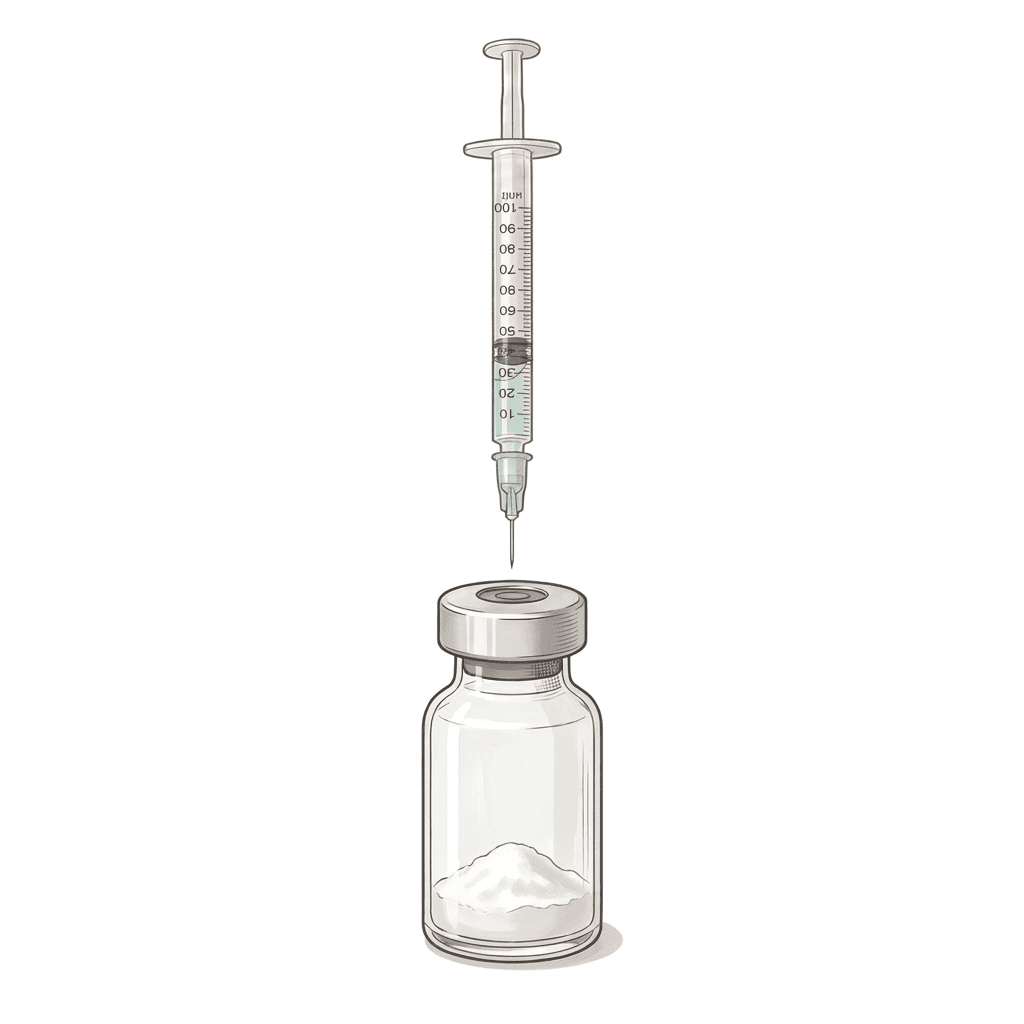
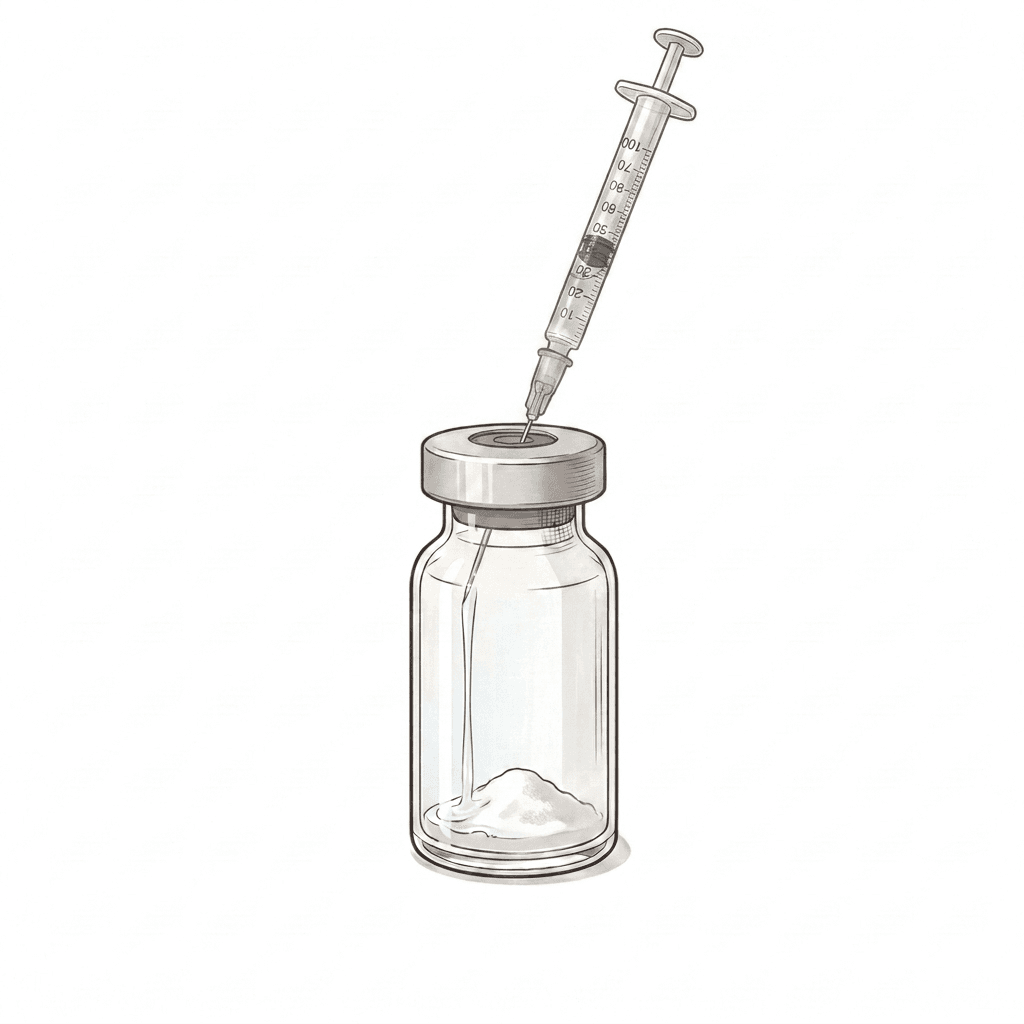
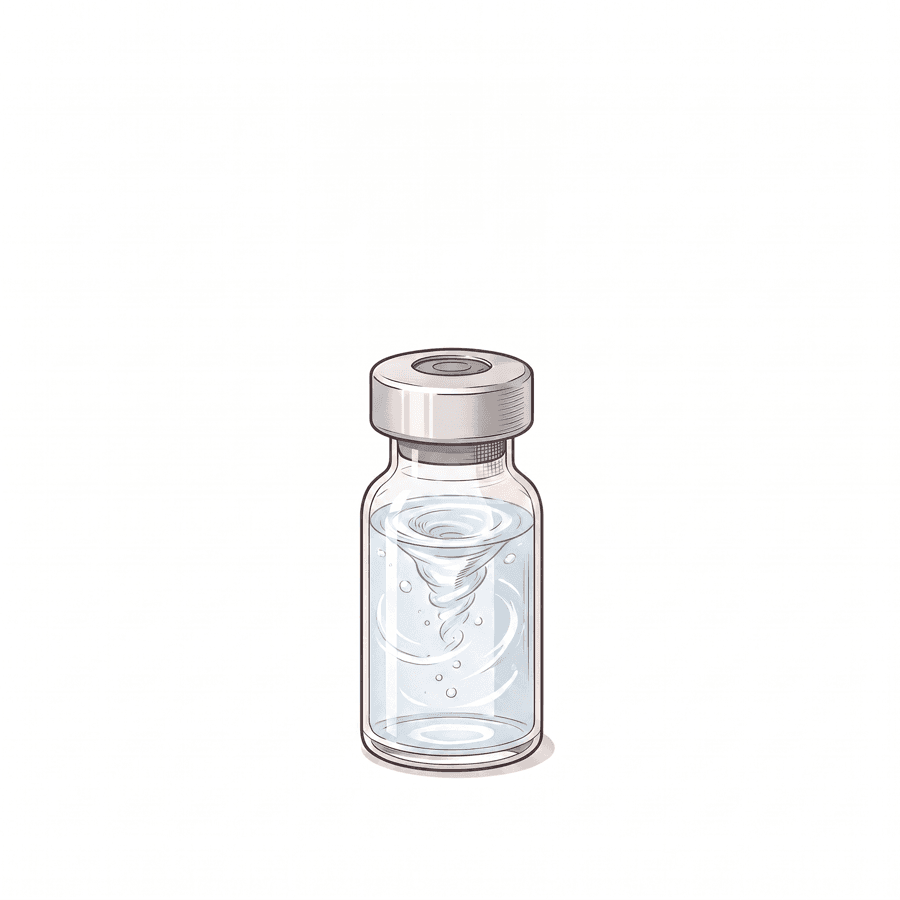
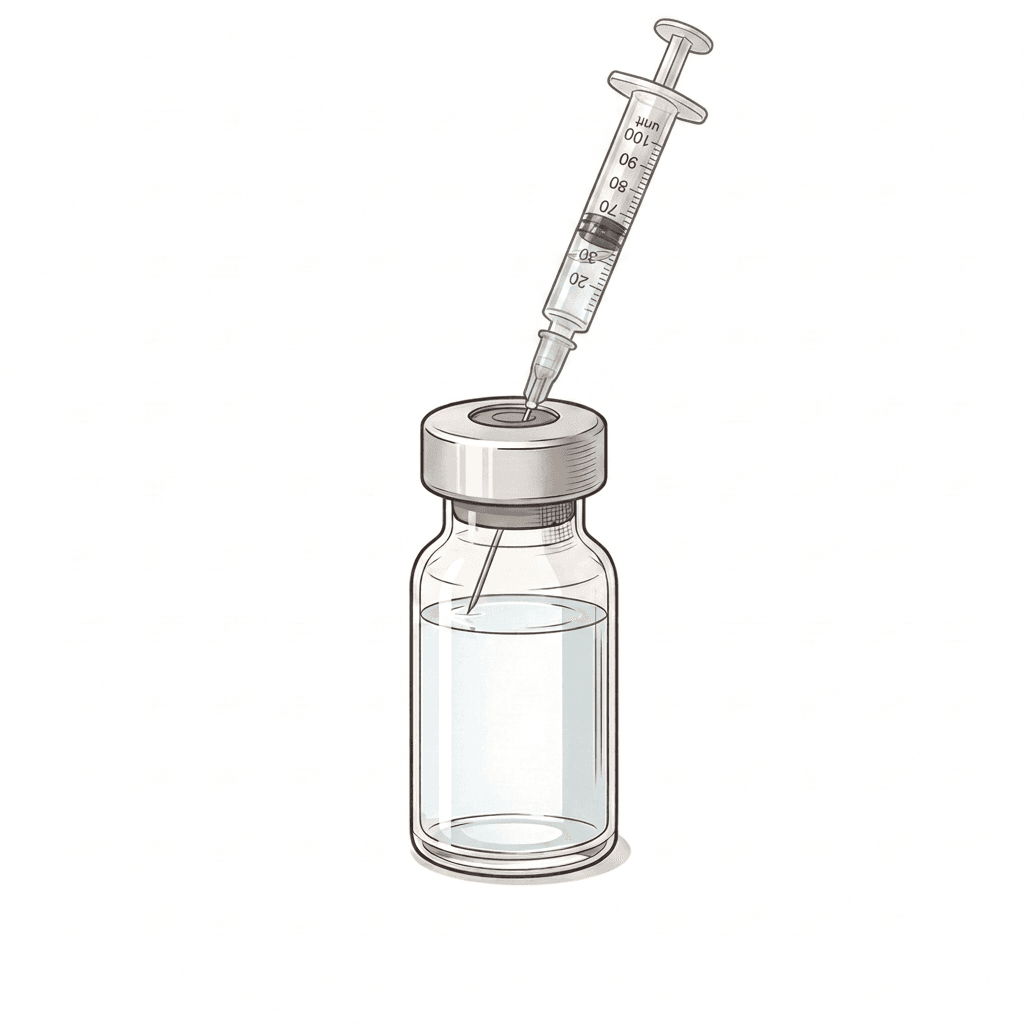
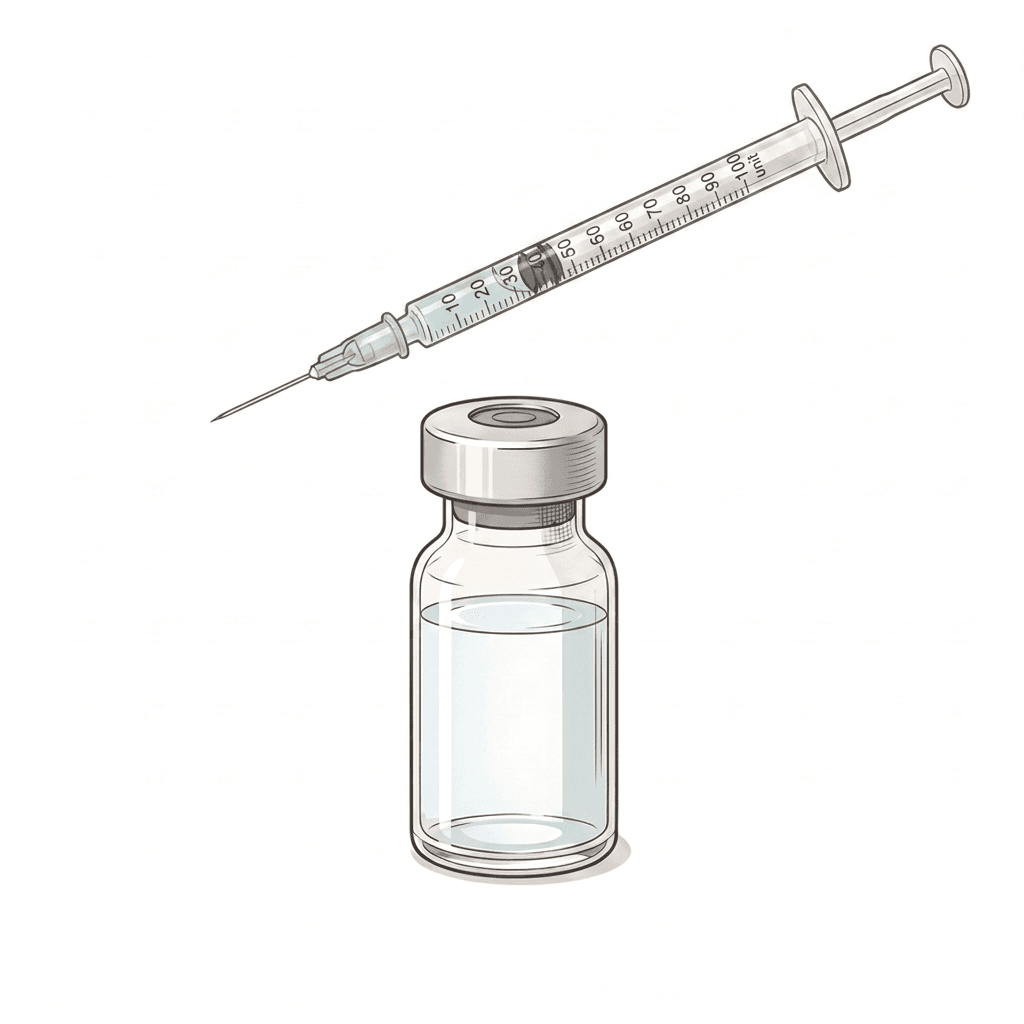
Step 1 of 5 · Draw diluent
Draw your bacteriostatic water into the syringe.
Default shown: U-100 insulin syringe with a 27-gauge needle.
Reference values as published in the research record — not a recommendation, instruction, or dose suggestion for any person. Not medical advice.
A persistent stacking question of the GLP-1 era: whether adding a growth-hormone secretagogue to tirzepatide or retatrutide blunts the lean-mass loss that comes with the weight loss. Trial data establishes the magnitude of that loss, not a drug-specific excess; the rest is untested community theory.
Layers cagrilintide's amylin-pathway satiety signal onto retatrutide's triple GLP-1/GIP/glucagon mechanism to hit four non-overlapping metabolic pathways at once — the aim is greater total fat loss, more complete appetite control, and the option to run each compound at a lower, better-tolerated dose.
